
The United States announced on Wednesday that it will restrict visas for Nigerians and their family members involved in mass killings and attacks on Christians. The policy targets individuals connected to extremist violence and religious persecution in the West African nation.
“The United States is taking decisive action in response to the mass killings and violence against Christians by radical Islamic terrorists, Fulani ethnic militias, and other violent actors in Nigeria and beyond,” U.S. Secretary of State Marco Rubio said in a statement on X.
The visa restrictions are part of a broader U.S. effort to address violations of religious freedom, in line with the Immigration and Nationality Act.
Background: Nigeria’s Complex Security Crisis
Nigeria, Africa’s most populous country with about 220 million people, has long faced a complex security crisis. Attacks in the country have multiple causes, including religious extremism, clashes between farmers and herders over resources, ethnic rivalries, and separatist movements.
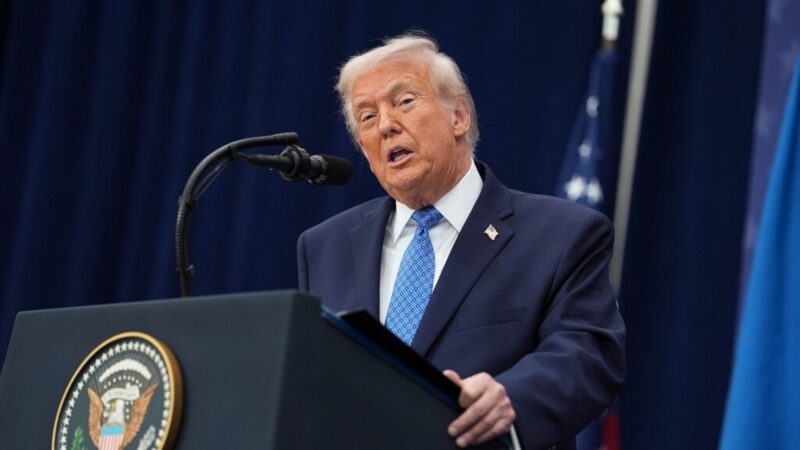
President Donald Trump previously highlighted the “killing of Christians” by radical Islamists in Nigeria. Last month, he said he instructed the Pentagon to begin planning potential military actions in response to the alleged persecution of Christians.
The U.S. designated Nigeria as a “country of particular concern” under the International Religious Freedom Act last month, joining other nations such as China, Iran, North Korea, and Saudi Arabia on the list.
Rising Violence and Insecurity
Nigeria has faced long-term threats from extremist groups such as Boko Haram, which targets both Christians and Muslims it considers insufficiently devout. Central Nigeria has also seen a surge in armed gangs that kidnap residents for ransom.
The attacks on religious communities, coupled with ongoing ethnic and communal violence, have fueled insecurity across the country, leaving millions at risk.