
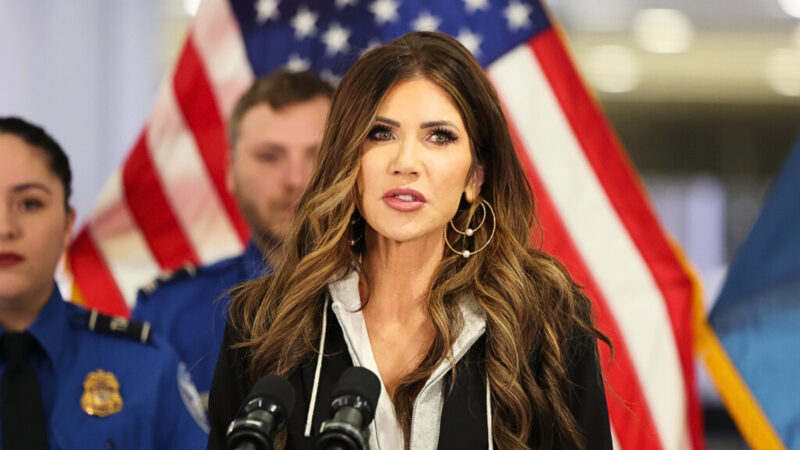
The Trump administration is preparing to widen its travel ban to include citizens from more than 30 countries, Homeland Security Secretary Kristi Noem has said. The move comes after a man from Afghanistan was accused of shooting two National Guard members in Washington late last month.
Travel Ban Could Grow From 19 to 30+ Countries
The administration already introduced a new travel ban in June that blocked entry for citizens from 12 countries and placed tighter restrictions on seven others. After the November shooting, the White House increased restrictions on all 19 countries listed in the original ban — including Afghanistan, Somalia, Iran and Haiti.
Speaking on Fox News late Thursday, Noem declined to list the additional countries or give a specific number but confirmed the list would exceed 30. She said President Donald Trump was still reviewing which countries would be added.
“If a country cannot provide basic security or confirm who their citizens are, why should we allow travel from there into the United States?” Noem said.
The Department of Homeland Security has not commented on when the expanded ban will take effect or which nations will be added.
Shooting Case Sparks Rapid Immigration Actions
The new measures follow the Nov. 26 shooting of two National Guard members in Washington. Rahmanullah Lakanwal, who came to the U.S. from Afghanistan after the U.S. withdrawal, has been charged with first-degree murder after one of the victims, Specialist Sarah Beckstrom, died from her injuries. The second victim, Staff Sgt. Andrew Wolfe, remains in critical condition. Lakanwal has pleaded not guilty.
Since the attack, the administration has taken a series of fast-moving steps on immigration. These include halting asylum decisions, pausing immigration-related benefits for people from the 19 travel-ban countries, and freezing visas for Afghans who assisted the U.S. military.
More Frequent Checks for Refugees and Asylum Seekers
On Thursday, U.S. Citizenship and Immigration Services announced a new rule shortening the validity period of work permits for refugees, asylum seekers, and several other groups. The change means these applicants will need to renew their documents more often and undergo more rounds of security screening.
The administration argues the expanded vetting is needed to protect national security. Critics say the new measures unfairly target people who have already passed strict screening processes and amount to collective punishment.