
Malaria continues to threaten millions worldwide, with an estimated 282 million cases and 610,000 deaths reported in 2024 across 80 countries. The WHO African Region carries the heaviest burden, accounting for 95% of cases (265 million) and deaths (579,000).
Children under five remain the most vulnerable, making up about 75% of all malaria deaths in Africa.
Deadly Impact on Children and Pregnant Women
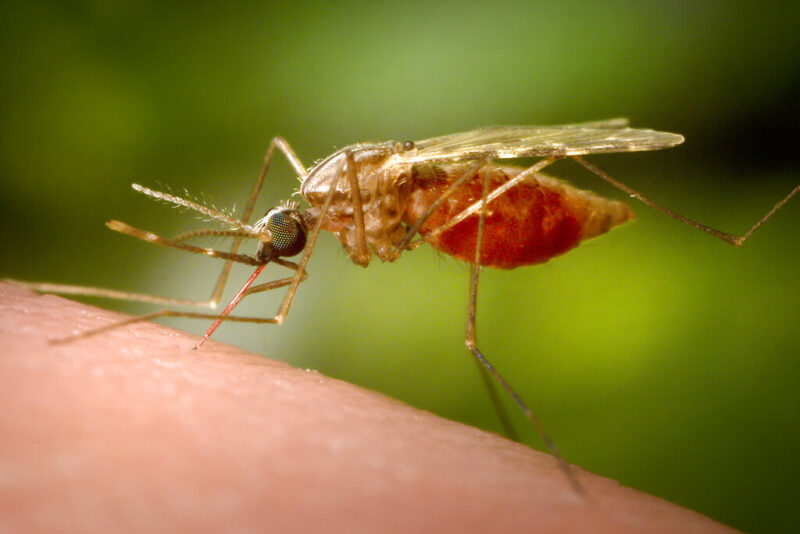
Malaria is caused by parasites spread through the bites of infected female Anopheles mosquitoes. Early symptoms include fever, chills, and headaches, while severe cases can cause fatigue, seizures, difficulty breathing, jaundice, and death.
Infants, children under five, pregnant women, travelers, and people with HIV or AIDS are at highest risk. Malaria during pregnancy can lead to premature births or low birth weight babies.
Prevention and Vaccines Offer Hope
Vaccines are also making an impact. The RTS,S/AS01 vaccine, recommended since 2021, and the R21/Matrix-M vaccine, recommended in 2023, are now being rolled out across Africa. Together with other malaria control measures, vaccines are expected to save tens of thousands of young lives annually.
Challenges: Drug Resistance and Invasive Mosquitoes
Efforts to control malaria are complicated by resistance to antimalarial drugs in countries such as Eritrea, Rwanda, Uganda, and Tanzania. An invasive mosquito species, Anopheles stephensi, is spreading in Africa, thriving in urban areas, and resisting many common insecticides.
Global Efforts for Elimination
WHO’s Global Technical Strategy for Malaria 2016–2030 aims to reduce malaria cases and deaths by 90% by 2030, eliminate malaria in 35 countries, and prevent resurgence in malaria-free areas.
In 2024, 37 countries reported fewer than 1,000 indigenous cases, and 14 countries have been certified malaria-free since 2017, including Sri Lanka, China, Egypt, and Cabo Verde.
Despite progress, malaria remains a leading killer in Africa, highlighting the urgent need for vaccines, treatment, and prevention strategies.