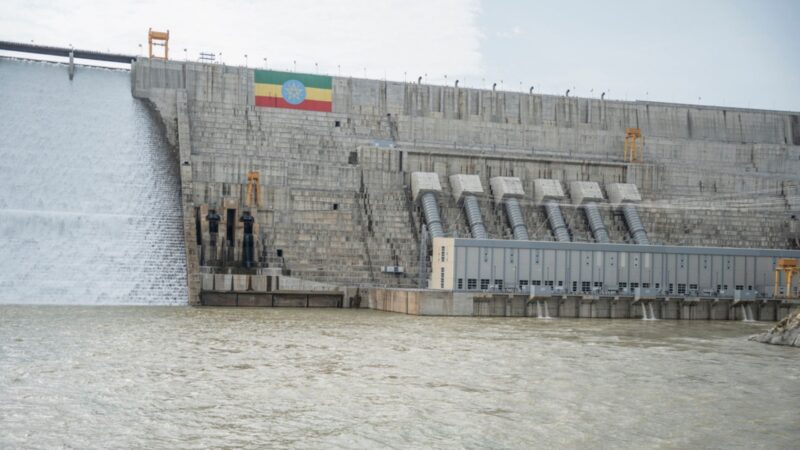
Ethiopia’s Prime Minister Abiy Ahmed is pushing ahead with huge national projects, from the completed Grand Ethiopian Renaissance Dam to plans for Africa’s largest airport and a future nuclear power plant. But his most ambitious goal, restoring Ethiopia’s access to the sea, is sparking new worries of conflict.
In a speech to parliament in late October, Abiy praised the rapid development in Addis Ababa and celebrated the dam’s inauguration in July. He called it a turning point that could help the country rely less on foreign aid. Ethiopia, one of Africa’s most populous nations, has been among the world’s largest aid recipients for years.
But despite the progress in the capital, Ethiopia is entering a period of growing uncertainty that threatens its fragile economy.
Ethiopia–Eritrea Tensions Rise Again
Ethiopia lost its coastline in 1993 when Eritrea gained independence. Although the two countries restored relations in recent years — a move that earned Abiy a Nobel Peace Prize, tensions have returned.
In June, Eritrea accused Ethiopia of planning to seize its Red Sea ports. Ethiopia rejected the claim and said it wants sea access through peaceful negotiations. Addis Ababa later accused Eritrea of backing Ethiopian rebel groups and preparing for war.
Analysts warn that the situation could worsen. Magnus Taylor of the International Crisis Group said the risk of miscalculation is high and could escalate in the coming months.
Egypt Hardens Its Stance Over the Nile
Egypt, which depends almost entirely on the Nile for its water, has long opposed Ethiopia’s massive dam. Years of talks over how to manage the dam during droughts have produced no lasting agreement.
Since the dam began operating, Egypt has stepped up its warnings. In September, Cairo said it would take “all necessary measures” to protect its water supply. It has also strengthened ties with Eritrea and signed a security pact with Somalia, which was angered last year when Ethiopia made a port deal with Somaliland, a region Somalia claims as its own.
Ethiopia says the dam is essential for lifting millions out of poverty.
Unrest and a Deepening Economic Divide
While the Tigray war ended with a peace deal in 2022, the Amhara and Oromia regions remain unstable, with ethnic-based insurgencies and frequent reports of kidnappings and killings. Parts of Tigray have also seen renewed clashes, raising fears the peace deal could unravel.
Meanwhile, Addis Ababa continues to modernise rapidly, but poverty is rising nationwide. According to the World Bank, 43% of Ethiopians now live below the poverty line, up from 33% in 2016. Rising prices and security concerns are weighing heavily on one of Africa’s fastest-growing economies.