
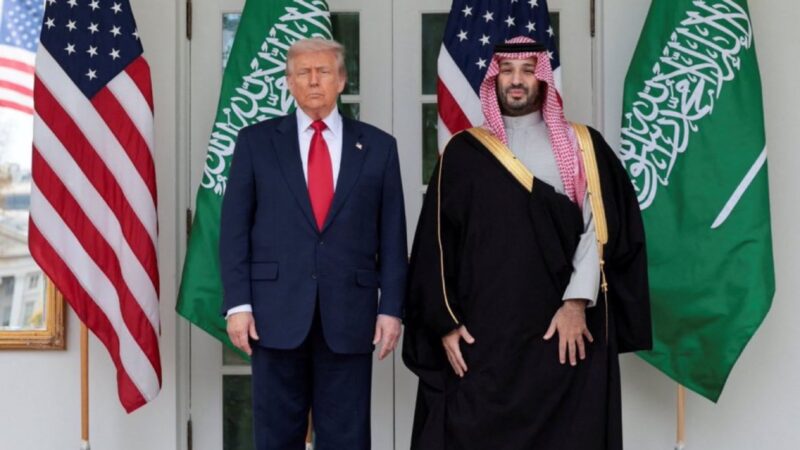
The U.S. and Saudi Arabia signed a nuclear cooperation agreement Wednesday (July 22) that could let the kingdom enrich uranium for civilian energy, a capability few countries are granted.
U.S. Energy Secretary Chris Wright and Saudi Energy Minister Abdulaziz bin Salman signed the so-called “123 agreement,” alongside a separate safeguards pact. Details remain scarce, but a source says it sets up a joint study that could lead to an enrichment facility in Saudi Arabia.
Concerns Over Oversight
Secretary of State Marco Rubio denied the deal risks nuclear proliferation. But notably, it skips the IAEA’s Additional Protocol, a tool for deeper inspections, raising concern among nonproliferation experts.
Expert Alexander Bollfrass called it a major shift in U.S. policy, since Washington normally requires the strictest oversight before sharing sensitive nuclear technology.
Why It Matters
The deal comes as the U.S. and Israel wage war on Iran partly to stop its nuclear program. Saudi Arabia’s crown prince has said the kingdom would consider its own weapons program if Iran built a bomb.
Enrichment doesn’t guarantee a weapon, but it’s a key step toward one, the same concern driving Western pressure on Iran.
By contrast, the UAE built its nuclear plant without seeking enrichment, a model experts call the “gold standard.”
What’s Next
The 30-year deal now goes to Congress, where it faces possible opposition, Rubio himself once backed stricter Congressional review as a senator.
Critics say U.S. firm Westinghouse, which builds the reactors Saudi Arabia wants, stands to profit heavily, a point Democratic Rep. Brad Sherman raised, calling it ironic that the U.S. is fighting Iran over enrichment while enabling Saudi Arabia to pursue it.