
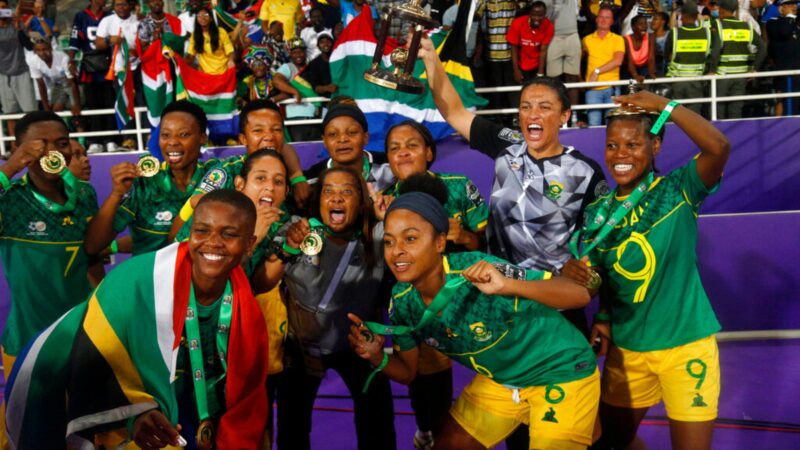
After a last-minute postponement earlier this year, the Women’s Africa Cup of Nations (Wafcon) is set to begin this Sunday in Morocco, which is hosting the tournament for a third straight time.
The 2026 finals were originally due to start on March 17, but the Confederation of African Football (Caf) delayed the competition just 12 days before kick-off. Caf did not give a detailed explanation, citing only unforeseen circumstances.
The new opening match is Algeria against Senegal in Rabat on Sunday, July 26, kicking off at 17:00 GMT.
A Bigger Tournament
This edition has grown to 16 teams, up from previous years, and will feature 34 matches in total. The final is set for Sunday, August 16.
The stakes are higher than usual. This year’s Wafcon also serves as qualification for the 2027 FIFA Women’s World Cup in Brazil. All four semi-finalists will book their spot at the World Cup automatically. The four teams knocked out in the quarter-finals aren’t done yet, though — they’ll compete for two more World Cup places through a separate play-off.
The Groups
Sixteen teams have been divided into four groups of four, with the top two from each group moving on to the quarter-finals.
Group A: Morocco (hosts), Algeria, Senegal, Kenya Group B: South Africa, Ivory Coast, Burkina Faso, Tanzania Group C: Nigeria (holders), Zambia, Egypt, Malawi Group D: Ghana, Cameroon, Mali, Cape Verde
Hosts Morocco face North African rivals Algeria, plus Senegal and Kenya – the latter making its first Wafcon appearance in a decade.
Defending champions Nigeria, chasing an 11th title, were drawn against Zambia, Egypt and first-timers Malawi.
South Africa, champions in 2022, take on Ivory Coast, Burkina Faso and Tanzania.
Ghana were grouped with Cameroon, Mali and tournament debutants Cape Verde.
Venues
Morocco is using five stadiums across two cities this time, down from six stadiums in five cities last year. Matches will be split between Rabat and Casablanca. Games originally planned for Fes have been moved to Casablanca instead.
- Moulay Hassan Stadium, Rabat
- Olympic Stadium, Rabat
- Al Medina Stadium, Rabat
- Larbi Zaouli Stadium, Casablanca
- Moulay Rachid Stadium, Casablanca
The final’s venue is still to be confirmed. It will be held either at the Moulay Hassan Stadium or the larger Prince Moulay Abdellah Stadium — with the bigger venue the likely choice if the host nation reaches the final.
Prize Money Doubles
Caf has doubled the winner’s prize money for this edition. The champions will now take home $2 million, up from $1 million last year. Runners-up will receive $750,000, a 50% increase. Every one of the 16 teams gets $150,000 just for taking part. Overall, the prize pool has grown from roughly $3.5 million to $5.8 million.
Who Can Win It?
Only two of the 16 teams have ever won Wafcon: Nigeria and South Africa.
Nigeria arrives as both defending champions and Africa’s top-ranked side, coached by Justin Madugu. Goalkeeper Chiamaka Nnadozie has been named Africa’s best for three straight years, and captain Rasheedat Ajibade was the standout player at last year’s finals.
Morocco has poured money into its footballing infrastructure but has yet to match its men’s team’s success. The Atlas Lionesses have finished runners-up twice in a row, now managed by Jorge Vilda, who led Spain to World Cup glory in 2023.
South Africa still has veteran coach Desiree Ellis in charge, while Ghana returns under Kim Bjorkegren after finishing third last year. Zambia, led by star striker Barbra Banda, round out the group of realistic contenders – though they were thrashed 5-0 by Nigeria in last year’s quarter-finals.
Group Stage Fixtures (all times GMT)
Sunday, July 26
- Algeria v Senegal – Olympic Stadium, Rabat – 17:00
- Morocco v Kenya – Moulay Hassan Stadium, Rabat – 20:00
Monday, July 27
- South Africa v Tanzania – Moulay Rachid Stadium, Casablanca – 17:00
- Ivory Coast v Burkina Faso – Larbi Zaouli Stadium, Casablanca – 20:00
Tuesday, July 28
- Zambia v Egypt – Olympic Stadium – 17:00
- Nigeria v Malawi – Al Medina Stadium, Rabat – 20:00
Wednesday, July 29
- Ghana v Cape Verde – Moulay Rachid Stadium – 17:00
- Cameroon v Mali – Larbi Zaouli Stadium – 20:00
Thursday, July 30
- Senegal v Kenya – Olympic Stadium – 17:00
- Morocco v Algeria – Moulay Hassan Stadium – 20:00
Friday, July 31
- South Africa v Ivory Coast – Moulay Rachid Stadium – 17:00
- Burkina Faso v Tanzania – Larbi Zaouli Stadium – 20:00
Saturday, August 1
- Egypt v Malawi – Moulay Hassan Stadium – 17:00
- Nigeria v Zambia – Al Medina Stadium – 20:00
Sunday, August 2
- Ghana v Cameroon – Moulay Rachid Stadium – 17:00
- Mali v Cape Verde – Larbi Zaouli Stadium – 20:00
Monday, August 3
- Senegal v Morocco – Moulay Hassan Stadium – 20:00
- Kenya v Algeria – Olympic Stadium – 20:00
Tuesday, August 4
- Burkina Faso v South Africa – Moulay Rachid Stadium – 20:00
- Tanzania v Ivory Coast – Larbi Zaouli Stadium – 20:00
Wednesday, August 5
- Egypt v Nigeria – Olympic Stadium – 20:00
- Malawi v Zambia – Al Medina Stadium – 20:00
Thursday, August 6
- Mali v Ghana – Moulay Rachid Stadium – 20:00
- Cape Verde v Cameroon – Larbi Zaouli Stadium – 20:00
Knockout Stage
Quarter-finals — Saturday, August 8
- QF2: Winner Group B v Runner-up Group A – Moulay Rachid Stadium – 17:00
- QF1: Winner Group A v Runner-up Group B – Moulay Hassan Stadium – 20:00
Quarter-finals – Sunday, August 9
- QF4: Winner Group D v Runner-up Group C – Larbi Zaouli Stadium – 17:00
- QF3: Winner Group C v Runner-up Group D – Al Medina Stadium – 20:00
Semi-finals – Wednesday, August 12
- SF2: Winner QF2 v Winner QF3 – Olympic Stadium – 17:00
- SF1: Winner QF1 v Winner QF4 – Moulay Hassan Stadium – 20:00
World Cup play-offs – Thursday, August 13
- Loser QF2 v Loser QF3 – Larbi Zaouli Stadium – 17:00
- Loser QF1 v Loser QF4 – Moulay Rachid Stadium – 20:00
Third-place play-off – Saturday, August 15
- Loser SF1 v Loser SF2 – Olympic Stadium -17:00
Final – Sunday, August 16
- Winner SF1 v Winner SF2 – Moulay Hassan Stadium or Prince Moulay Abdellah Stadium, Rabat – 19:00