
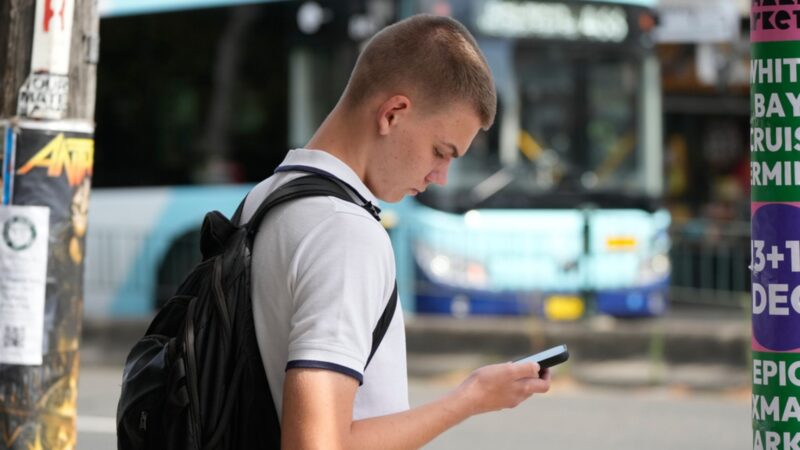
Australia is set to deactivate over a million social media accounts held by users under 16, enforcing a pioneering law that has sparked debate both domestically and internationally.
The law, approved late last year, requires social media platforms to prevent under-16s from creating accounts and to remove existing profiles.
Protecting Young Minds from Harmful Content
The Australian government says the ban is designed to shield children from the mental health risks linked to addictive social media platforms. Communications Minister Anika Wells described the move as a way to protect “Generation Alpha” from what she called “behavioral cocaine” embedded in online platforms.
Supporters argue the law encourages children to focus on real-world interactions and develop social skills. A YouGov poll conducted last year found that 77% of Australians support the measure.
Parents such as Jen Hummelshoj, whose 12-year-old daughter does not use social media, welcome the restrictions, saying apps often distract children from in-person connections.
Legal Challenges and Youth Concerns
Not all young Australians agree. Two 15-year-olds have challenged the law in the nation’s highest court, arguing it restricts their freedom of expression and access to essential online support.
Critics also warn that some children may turn to less regulated platforms or use VPNs to bypass restrictions, potentially exposing them to greater risks.
Noah Jones, one of the teenagers challenging the law, told reporters that social media provides important educational content, including lessons on consent and vaping risks. Others, like Chloe Song, advocate for stronger digital literacy programs as a safer alternative.
The Role of Social Media Companies
Platforms including Instagram, YouTube, TikTok, Facebook, X, Snapchat, and Reddit are now legally required to enforce age restrictions.
The eSafety Commissioner has warned companies that serious or repeated breaches could lead to fines of up to 49.5 million Australian dollars (around $32 million). Meta has already begun deactivating accounts in preparation for the law’s implementation.
Industry representatives argue that removing young users may inadvertently push them toward unregulated apps, while Australian teens acknowledge the challenge of circumventing the rules.
William Young, 14, described Snapchat as unsafe for children, citing the ease of connecting with strangers and disappearing messages.
A Step Toward Safer Digital Experiences
Experts see the law as a positive, if incomplete, step toward improving online safety for children. Susan Grantham, a social media researcher, said it is important to focus on developing “well-balanced digital citizens” rather than expecting the ban alone to solve the issue.
For families like Aalia Elachi and her father, Dany, the law is a welcome relief. Aalia, 16, has never had social media accounts and credits the lack of exposure for helping her avoid addictive habits. “Having firm boundaries around social media hasn’t made my life smaller,” she told lawmakers, hoping her experience becomes more common among her peers.
As Australia enforces this landmark law, the world will be watching closely to see whether it successfully limits online harm without stifling young people’s access to vital digital spaces.