
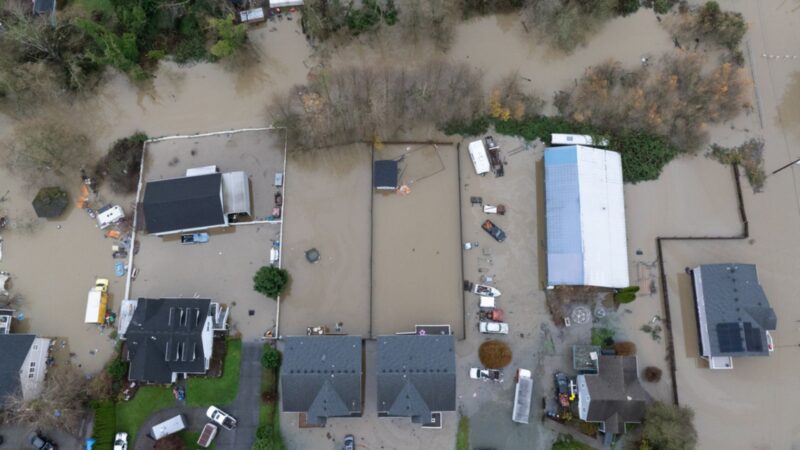
At least 37 people have died after heavy rains triggered severe flooding in the coastal Moroccan city of Safi, authorities confirmed on Monday.
The Interior Ministry said the floods struck overnight, inundating homes and businesses and sweeping away vehicles. Fourteen people were hospitalised following the disaster.
Homes, Vehicles, and Streets Devastated
Officials reported that around 70 buildings were flooded, and 10 cars were carried away by the rising waters.
Videos shared on social media showed vehicles partially submerged and streets filled with water, as residents struggled to navigate the damage. Schools in the city announced a three-day closure in response to the emergency.
Widespread Impact Across Morocco
The floods were not limited to Safi. Other regions, including the northern city of Tetouan and the mountain town of Tinghir, also reported flooding and property damage.
Safi, located more than 320 kilometers (200 miles) from the capital Rabat, is an important center for Morocco’s fishing and mining industries. The city is home to a major phosphate processing plant and has a population exceeding 300,000 people.
Climate Change and Infrastructure Challenges
Experts say climate change has made weather patterns in North Africa increasingly unpredictable. Years of drought have hardened the soil, leaving mountains, plains, and deserts more vulnerable to flash floods.
Last year, floods in arid areas of Morocco and Algeria killed nearly two dozen people. This week’s tragedy follows the recent deaths of 22 people in a two-building collapse in the city of Fez.
Morocco has invested in disaster risk management, but local authorities sometimes fail to enforce building regulations, and drainage systems are often inadequate. Earlier this year, youth-led protests across the country highlighted infrastructural inequalities.