
Ghanaian doctoral students studying at UK universities say they risk deportation after being stranded without tuition fees and living allowances promised by their government.
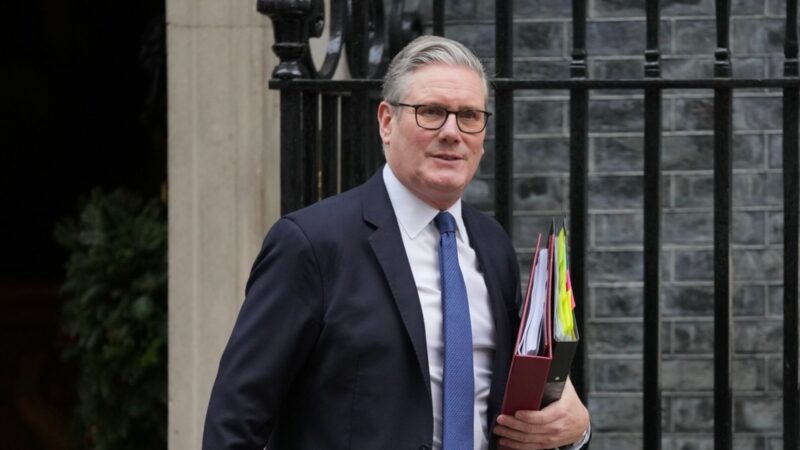
A group representing more than 100 PhD students has petitioned Downing Street and UK Prime Minister Keir Starmer, urging British authorities to help pressure Ghana to settle a growing backlog of unpaid scholarship funds, estimated to be worth millions of pounds.
Prince Komla Bansah, president of the students’ group, said some students have already been deported after universities withdrew their registration for non-payment. Others, he said, have been evicted from accommodation or forced into debt to survive.
“For many of them, survival is extremely difficult,” Bansah said, adding that some students rely on loans from home or food banks while trying to continue their studies.
Students across UK universities are affected
The affected students are enrolled at universities across the UK, including University College London, Robert Gordon University in Aberdeen, and the universities of Nottingham, Bradford, Warwick, Lincoln and Liverpool.
In a petition sent to Downing Street, the students say the crisis has left some facing court action over unpaid rent, while others are unable to access basic university services or submit academic work.
About 30 students say their tuition fees have not been paid since 2024, leaving some barred from graduating or formally progressing in their programmes.
Ghana acknowledges £32m debt
Ghanaian authorities say the new administration of President John Mahama, sworn in last January, inherited debts to around 110 UK institutions, estimated at £32m.
Alex Kwaku Asafo-Agyei, registrar of the Ghana Scholarship Secretariat, said the government is auditing scholarships awarded under the previous administration and has paused new UK awards. He said Ghana has made “significant payments” to some institutions but declined to say how much of the debt has been cleared.
Bansah questioned why new foreign scholarships were still being awarded while existing students remained unpaid. Similar disputes have affected Ghanaian students in the US, while students from Nigeria and South Africa have faced comparable scholarship delays in recent years.