
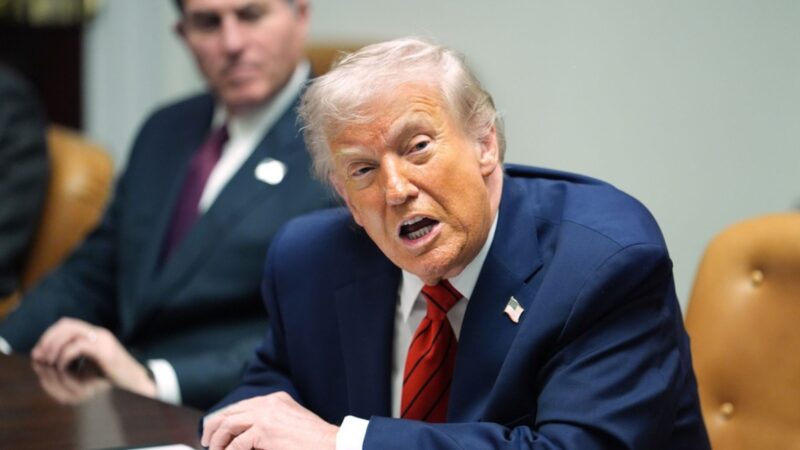
The Trump administration has announced a major expansion of US travel restrictions, adding 20 more countries and the Palestinian Authority to an existing ban and partial restriction list.
The move significantly increases the number of nations affected by limits on travel and immigration to the United States.
Several African countries are among those most impacted by the latest decision, which is set to take effect on 1 January.
More African nations added to full US travel ban
Under the new proclamation, citizens of five additional countries will face a full ban on entering the United States.
These include Burkina Faso, Mali, Niger and South Sudan, alongside Syria. Travel using documents issued by the Palestinian Authority has also been fully restricted.
South Sudan had already been subject to tight controls, but the new rules further limit access. The administration said the restrictions apply to both short-term visitors and people seeking to settle permanently in the US.
President Donald Trump first announced the policy in June, reviving a controversial measure from his first term. At that time, citizens of 12 countries were barred from entering the US, while seven others faced partial restrictions.
Those earlier bans included Chad, the Republic of Congo, Equatorial Guinea, Eritrea, Libya, Somalia and Sudan, along with Afghanistan, Myanmar, Haiti, Iran and Yemen.
Nigeria and 13 other African states face partial restrictions
The latest expansion also places 15 more countries under partial travel restrictions.
Among them are Nigeria, Senegal, Ivory Coast, Benin, Gambia, Gabon, Angola, Malawi, Mauritania, Tanzania, Zambia and Zimbabwe, as well as Antigua and Barbuda, Dominica and Tonga.
The administration said these limits may affect certain visa categories, including tourism and immigration visas.
People who already hold valid US visas, lawful permanent residents, diplomats, athletes and individuals whose entry is deemed to serve US national interests are exempt from the new rules.
US cites security and document concerns
US officials said the decision was based on concerns about security, governance and immigration enforcement in the affected countries. In a statement, the administration pointed to what it described as widespread corruption, unreliable civil records and difficulties verifying criminal histories.
It also said some countries have high rates of visa overstays or have refused to accept the return of deported citizens. Others were cited for political instability or weak government control, which the US says makes proper vetting difficult.
The announcement followed the arrest of an Afghan national accused of shooting two National Guard troops near the White House during the Thanksgiving weekend. The suspect has pleaded not guilty to murder and assault charges.
After the incident, the administration said it would tighten immigration controls further, including restrictions on people already in the US from affected countries.
Critics warn of impact on Africans and US allies
Human rights groups and immigration advocates have strongly criticised the expanded ban. They argue it unfairly targets people based on nationality rather than individual risk.
Laurie Ball Cooper, from the International Refugee Assistance Project, said the policy was “another attempt to demonise people simply for where they are from.”
Advocacy groups also raised concerns about the removal of an exemption for Afghans eligible for the Special Immigrant Visa, a programme for people who assisted US forces during the war in Afghanistan.
No One Left Behind, an organisation supporting those applicants, said the change blocks some of the most thoroughly vetted individuals seeking entry into the US.
Meanwhile, governments of newly affected countries said they were reviewing the announcement. Officials in Antigua and Barbuda and Dominica said they were seeking urgent clarification from Washington on how the restrictions would be applied.
The Trump administration said all other travel restrictions announced in June remain in place, with only limited adjustments. It also said some countries, including Turkmenistan, had shown improvement and would see eased measures.
The new rules are expected to face legal and political challenges in the coming weeks, particularly from African communities and advocacy groups who say the policy will disrupt families, education and economic ties with the United States.