
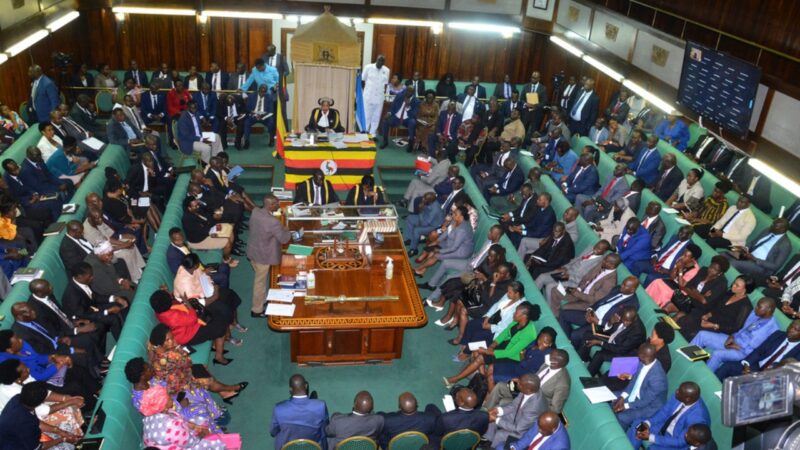
Uganda’s parliament has approved the deployment of troops to Gaza. This makes the East African nation one of the first countries to publicly commit forces to a proposed international mission aimed at stabilizing the Palestinian territory after the Israel-Hamas war.
The decision was passed on Thursday August 6, after Defence Minister Kiryowa Kiwanuka presented a motion seeking lawmakers’ approval.
It marks Uganda’s first official confirmation that it is prepared to contribute soldiers to the International Stabilization Force for Gaza, an initiative proposed by U.S. President Donald Trump’s Board of Peace.
The planned force would be deployed only after Israeli troops complete a phased withdrawal from Gaza under a wider ceasefire agreement announced by Trump last week. The deal also calls for Hamas to disarm and end all militant activity in the enclave.
The Ugandan governmentit did not explain what prompted the decision to join the mission or whether any diplomatic agreement influenced the move.
The announcement immediately sparked debate in parliament.
Opposition lawmaker Hassan Kirumira questioned Uganda’s role in the mission, warning that the deployment could create diplomatic challenges for a country that belongs to the Organization of Islamic Cooperation (OIC).
He also asked lawmakers to clarify what role Ugandan troops would play in Gaza, saying it remained unclear which side they would be expected to support.
Defending the proposal, Kiwanuka said Uganda has built a strong reputation through peacekeeping operations, including its long-running military deployment in Somalia, making its forces well suited for international stabilization missions.
The proposed Gaza force, first unveiled in February, is expected to consist of around 20,000 personnel and would be led by U.S. Major General Jasper Jeffers. The mission’s stated goal is to help maintain security and support long-term stability in Gaza once fighting ends.
Despite progress toward implementing the ceasefire, concerns remain over the security arrangements. After details of the agreement became public, Israel said it had raised “serious security concerns” with the United States.