
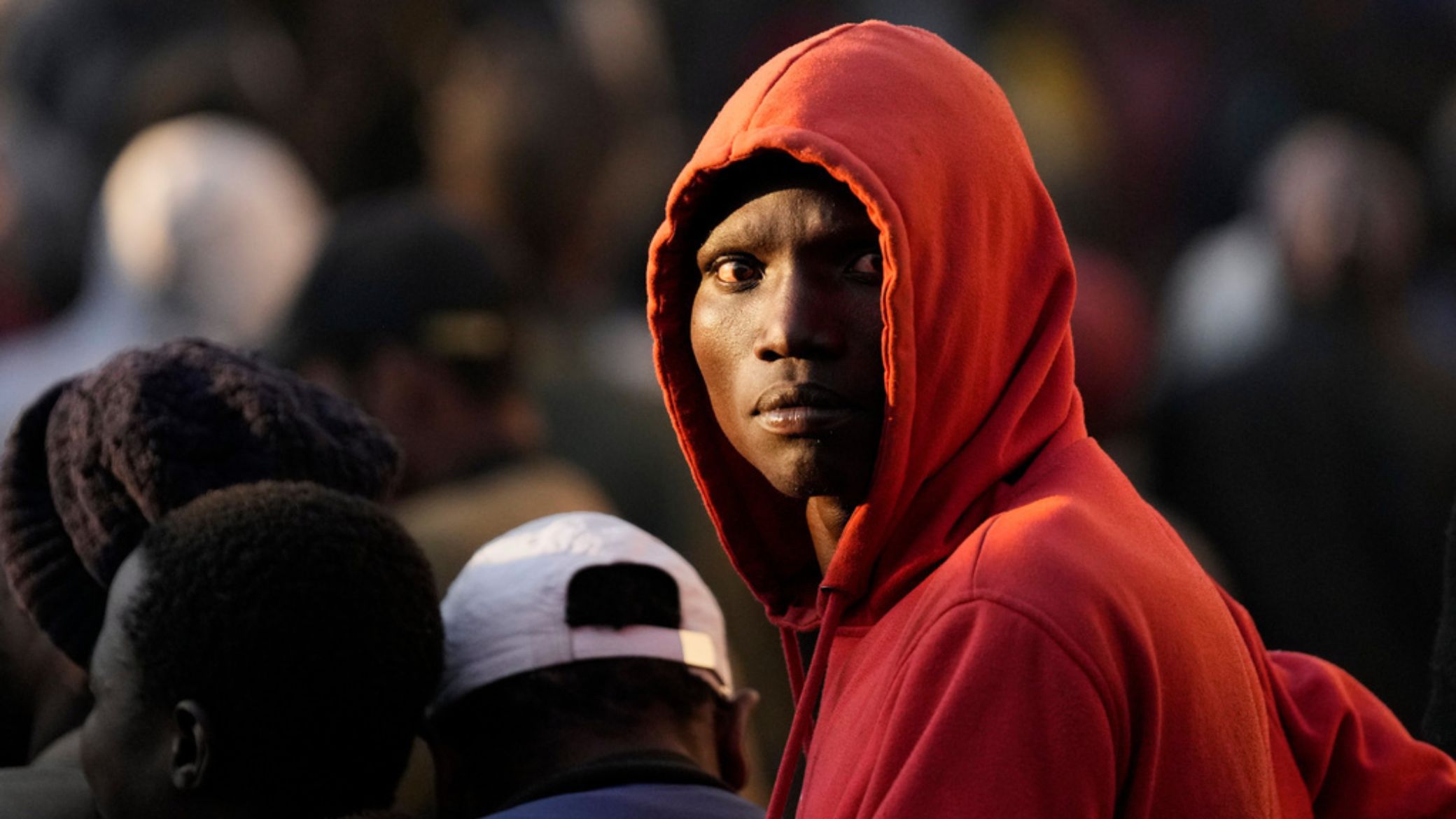
More than 178,000 African migrants have left South Africa in recent months, driven by a government crackdown on undocumented migration and, in some cases, violent anti-immigration protests that have left many fearing for their safety.
It’s one of the largest migrant exoduses from Africa’s most advanced economy in years.
Where the numbers come from
The count comes from authorities in the countries migrants have returned to. Zimbabwe alone has received more than 115,000 returnees since late May, while Malawi has recorded more than 56,000. Nigeria, Ghana, Mozambique and Lesotho have each reported more than 1,000 citizens returning from South Africa.
Most of these returns stem from repatriation offers accepted by migrants, either from South Africa or their home countries, rather than formal deportation. South Africa said this week that around 19,000 people have been officially deported since April.
Advocacy groups have raised concerns over the speed and scale of these movements, particularly for the thousands of children pulled out of school and HIV patients suddenly cut off from ongoing treatment.
Anti-Immigrant Sentiment Rising in Africa’s Top Economy
While global attention on African migration often centres on movement toward Europe, like the recent surge of more than 70,000 people crossing from Morocco into Spain’s Ceuta territory, this crisis highlights growing tension around migration within Africa itself.
South Africa has seen a wave of anti-migration protests this year, culminating in nationwide demonstrations on June 30 that organisers described as a “deadline” for undocumented migrants to leave the country.
Protest groups argue undocumented migrants are worsening South Africa’s high unemployment rate and straining public services. South Africa, the region’s wealthiest country, has long attracted migrants from across the continent seeking work in farming, hospitality, construction and other low-wage sectors.
According to South Africa’s 2022 census, the country was home to 2.4 million foreign nationals out of a total population of 62 million, though protest groups argue the real number of undocumented migrants is significantly higher.
Diplomatic Tensions Between African Nations
The protests haven’t stayed peaceful. Rights groups say mobs have carried out door-to-door campaigns targeting migrants, including some in the country legally, with reports of threats, violence, and homes or businesses being burned.
Mozambique’s government says 11 of its citizens have been killed in South Africa-based attacks, while Nigeria and Ghana have made similar claims about their own citizens.
South Africa disputes these figures, saying some deaths were linked to unrelated crimes like robbery rather than anti-migrant violence. Several cases remain under police investigation.
The dispute has strained diplomatic relations, with some African nations accusing South Africa of xenophobia.
Ghana pushed to add the issue to the agenda of an upcoming African Union meeting in October; South Africa blocked that specific move but has called for broader continental talks on migration.
Children Caught in the Fallout
UNICEF and the UN’s Committee on the Rights of the Child issued a joint statement expressing deep concern for children affected by the returns, warning of heightened risks of violence, exploitation, family separation and psychological distress, especially when movements happen suddenly and without coordination.
Malawi reported that nearly 4,000 children under age five were among its returnees.
A Zimbabwean advocacy group, the Zimbabwe Exemption Permit Coordinating Committee, estimates more than 11,000 children had returned to the country by mid-July.
Zimbabwe’s government has instructed schools not to discriminate against returning children and to help find them places.
Health concerns mount over interrupted HIV treatment
Health officials and aid groups warn many migrants left South Africa without medication or medical records, raising fears of disrupted HIV treatment in a region with some of the world’s highest infection rates.
Doctors Without Borders (MSF) has set up clinic tents at Zimbabwe’s Beitbridge border crossing to treat people who lost access to lifesaving HIV and other chronic medications during the sudden crossing.
The crackdown isn’t over
South African authorities said Friday that roughly 3,000 people remain in a migrant detention centre near Johannesburg awaiting deportation, while about 6,300 inspectors have been deployed nationwide to check workplaces for undocumented labour.
President Cyril Ramaphosa has condemned violence against migrants while acknowledging failures in enforcing the country’s immigration laws.
He has pledged additional technology and personnel to strengthen border security, new immigration courts to speed up deportation cases, and tougher penalties for employers who hire undocumented workers.