
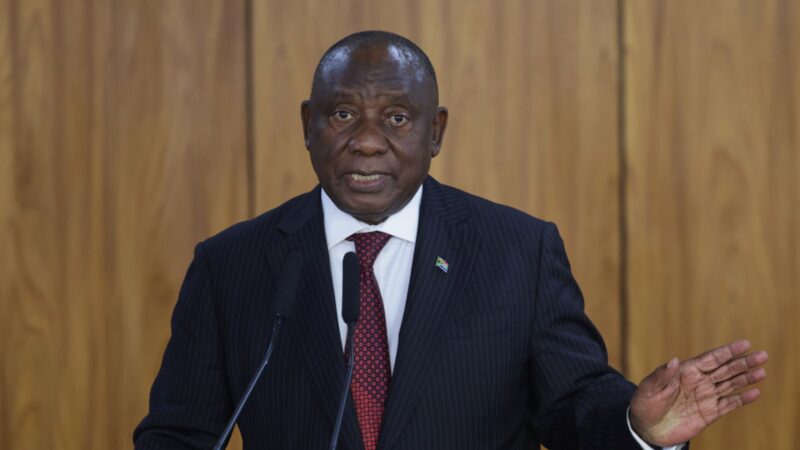
South Africa is calling for a continent-wide conversation on migration as it faces growing criticism over anti-immigration protests, migrant departures and rising tensions with some African neighbours.
The government says migration challenges cannot be addressed by one country alone and wants African nations to work together to tackle the reasons why people leave their homes and move across borders.
The move comes after protests in South Africa demanding the removal of undocumented migrants and reports of attacks targeting foreign nationals. Several African governments have raised concerns over the treatment of their citizens living in South Africa.
South Africa rejects being singled out over migration crisis
The African Union (AU), made up of 55 member states, recently rejected a proposal by Ghana to include South Africa’s migration tensions on the agenda of the bloc’s next coordination meeting in October.
South Africa opposed the request, arguing that focusing only on its situation would ignore the wider migration challenges affecting countries across Africa.
Officials in Pretoria say migration is a continental issue, involving economic hardship, conflict, unemployment and other factors pushing people to leave their countries.
The issue is expected to be discussed during the upcoming Southern African Development Community (SADC) summit in Durban, South Africa. Leaders from countries including Malawi, Mozambique and Zimbabwe are expected to attend.
Some of these countries have already been involved in repatriating their citizens from South Africa.
African migration crisis needs a collective response
South Africa’s International Relations Minister Ronald Lamola said the planned discussions would look at the wider causes of irregular migration, including challenges affecting other parts of Africa such as North Africa.
Lamola said South Africa wants an Africa-wide approach that examines the “push and pull factors” behind migration — including poverty, limited job opportunities, insecurity and the search for better living conditions.
The minister has held discussions with several African leaders in recent weeks, including Ghana’s President John Dramani Mahama and representatives linked to Nigerian President Bola Tinubu.
He said the continent needs a coordinated strategy rather than individual countries responding separately to migration pressures.
Anti-immigration protests increase pressure on South African government
In South Africa, groups opposed to illegal immigration have continued to demand tougher border controls and faster deportations.
Some organisations have pledged to hold weekly protests calling on authorities to enforce immigration laws and remove migrants who do not have legal documents.
Several migrants have reported being attacked during demonstrations, increasing concerns over xenophobia and violence against foreign nationals.
Thousands of migrants repatriated from South Africa
South African authorities say around 68,000 people were repatriated between June and July as part of efforts to manage undocumented migration.
The government said the figure includes people who were deported after failing to provide valid immigration documents.
Most of those affected were nationals from Malawi, followed by Zimbabwe and Mozambique, according to South African officials.
Authorities have also reduced the size of a temporary repatriation facility in Musina, near the Beitbridge border crossing between South Africa and Zimbabwe.
The centre, which previously had capacity for about 20,000 people, can now accommodate around 1,500.